The science of shade: thermal comfort and the experience of outdoor spaces
Shade is a quiet presence, yet its influence is greater than we might imagine. It affects how our bodies perceive heat, how we interact with our surroundings and how comfortably we can enjoy a terrace or garden, even during the hottest hours of the day.
Drawing on research into outdoor thermal comfort, we explore why shade makes a difference and how thoughtful shading design can enhance the quality of outdoor spaces. The parasol becomes a meeting point between science and design. An element that filters light, limits exposure to heat and contributes to a more enjoyable outdoor experience.
This article begins with a simple question: why do we feel so much more comfortable in the shade, even when the air temperature appears to be exactly the same?
Why shade enhances outdoor comfort
There comes a moment on a summer’s day when the sunlight that had made an outdoor space so inviting suddenly becomes difficult to bear. The terrace is unchanged, the garden is just as it was, yet the way we experience the surroundings feels different. Simply moving into the shade brings an immediate sense of relief, making it easier to pause, enjoy a conversation or simply spend time outdoors.
This everyday experience reveals a fundamental principle: outdoor comfort depends on more than air temperature. It is shaped by the balance between the human body and its surrounding environmental conditions. Sunlight, heat radiated by surrounding surfaces, air movement and humidity all influence how we experience a space.
Understanding the science of shade means exploring how light, environmental conditions and architecture interact. In outdoor design, these elements influence how people experience and use the spaces around them.
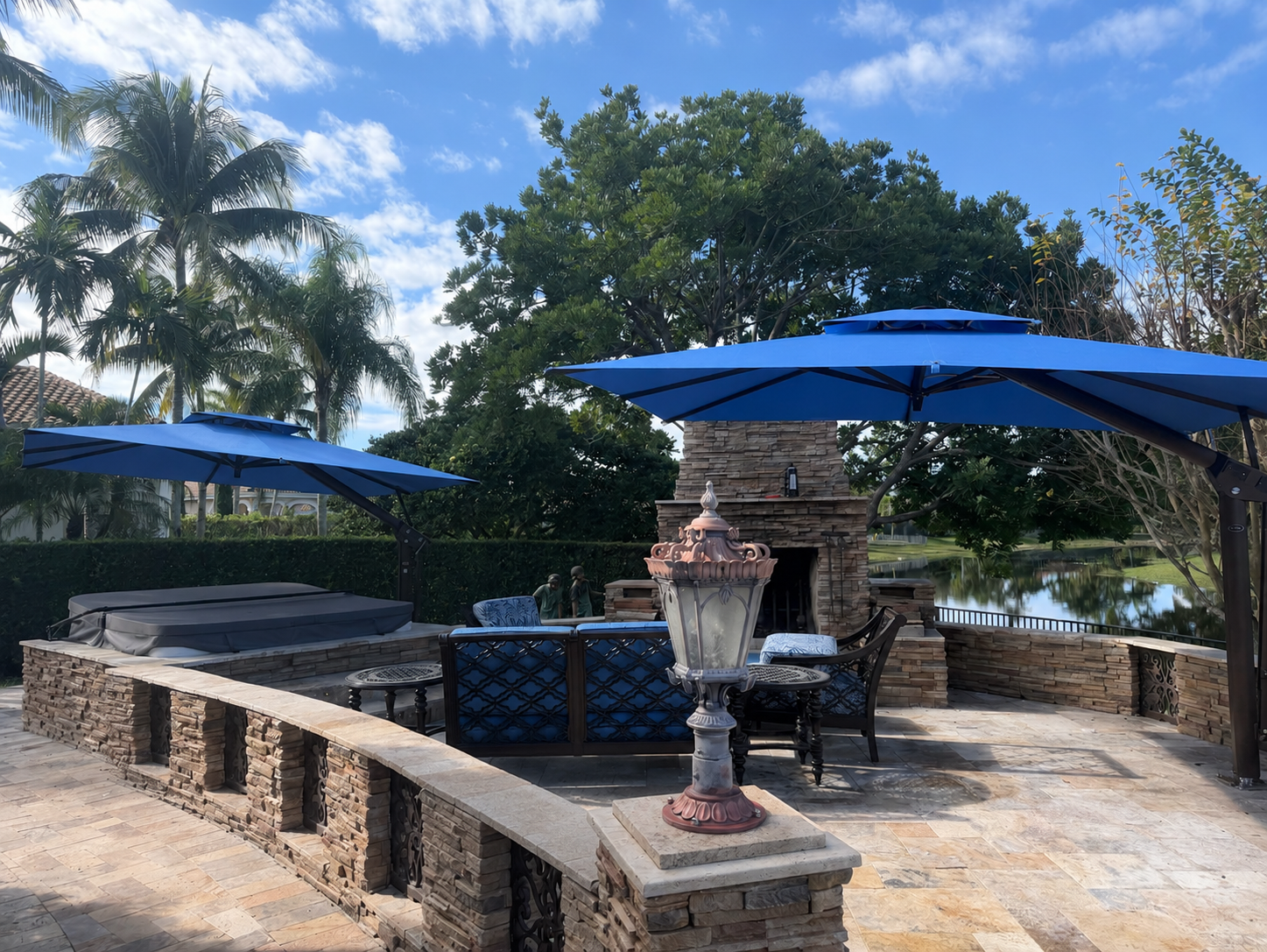
Thermal comfort: what changes between sun and shade?
To understand this phenomenon, we need to start with a fundamental principle. Air temperature is not the only factor determining thermal comfort. This is why two spaces with the same air temperature can feel very different. A shaded environment, for example, can offer more favourable thermal conditions than an area fully exposed to direct sunlight, particularly during the hottest part of the day.
One of the parameters used to study this phenomenon is Mean Radiant Temperature (MRT). It describes the combined effect of radiation from the surrounding environment on the human body. Alongside air temperature, humidity and wind speed, it helps determine how warm or cool we feel.
An experimental study published in 2026 in the journal Energy and Built Environment examined the effects of handheld umbrellas on the thermal comfort of people walking outdoors in direct sunlight. The findings showed a reduction in MRT of approximately 5-10°C, accompanied by a decrease in perceived heat, particularly under conditions of greater thermal stress.
This figure specifically describes how handheld umbrellas perform while people walk and does not apply directly to every type of shading system. However, it demonstrates how effectively blocking direct solar radiation can improve outdoor thermal comfort.
Our sense of well-being is therefore shaped by a combination of factors. Shade has a particularly significant influence on one of them. It limits exposure to solar radiation and helps create more favourable conditions for the body’s interaction with its surroundings.
Designing shade: the role of the microclimate
The effectiveness of shading depends on several interconnected factors. The height and position of a canopy, the properties of its materials and the characteristics of surrounding surfaces all contribute to the microclimatic conditions of an outdoor space.
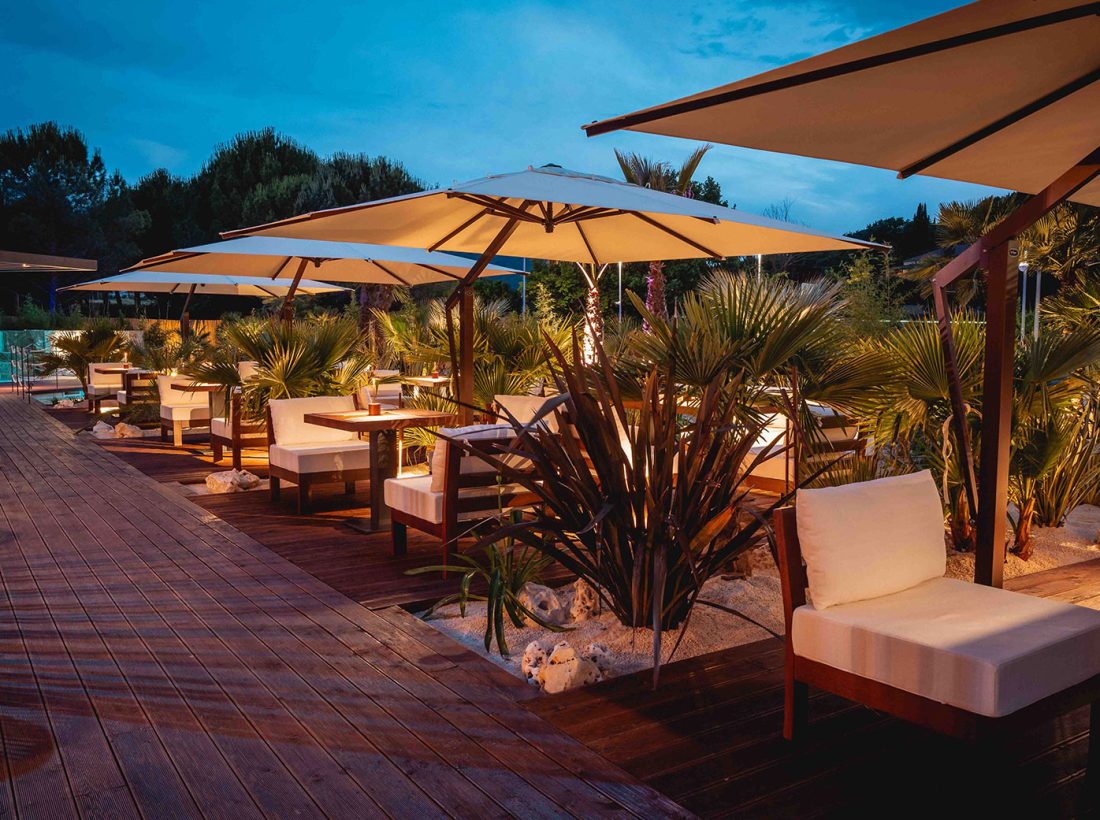
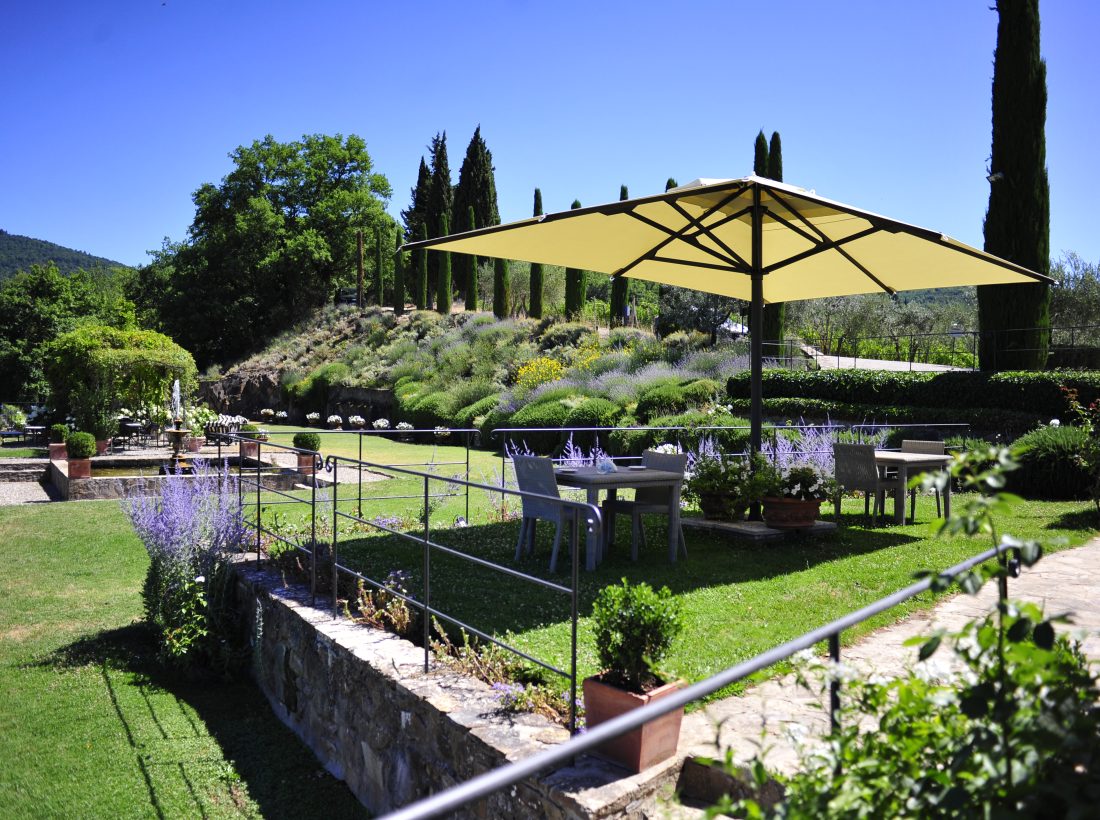
A garden surrounded by vegetation, an urban terrace and a restaurant’s outdoor dining area each present different environmental conditions, so designers must tailor their solutions to the way people use each space.
A study published in 2024 in the journal Urban Climate, focusing on shading design in urban environments, examined how different elements can influence Mean Radiant Temperature. The same shading structure can produce different results depending on its orientation, height and the surfaces around it. Designing shade therefore means considering not only the coverage itself, but also how it relates to its surroundings.
Another study, published in Scientific Reports in 2024 and focusing on a public space in Rome, explored the relationship between microclimatic conditions, urban configuration and thermal comfort, highlighting the role of design in mitigating heat stress.
These findings offer valuable insights for residential and commercial outdoor spaces alike: outdoor comfort results from the interaction of several elements, and shade is one of the variables that can be shaped through thoughtful design.
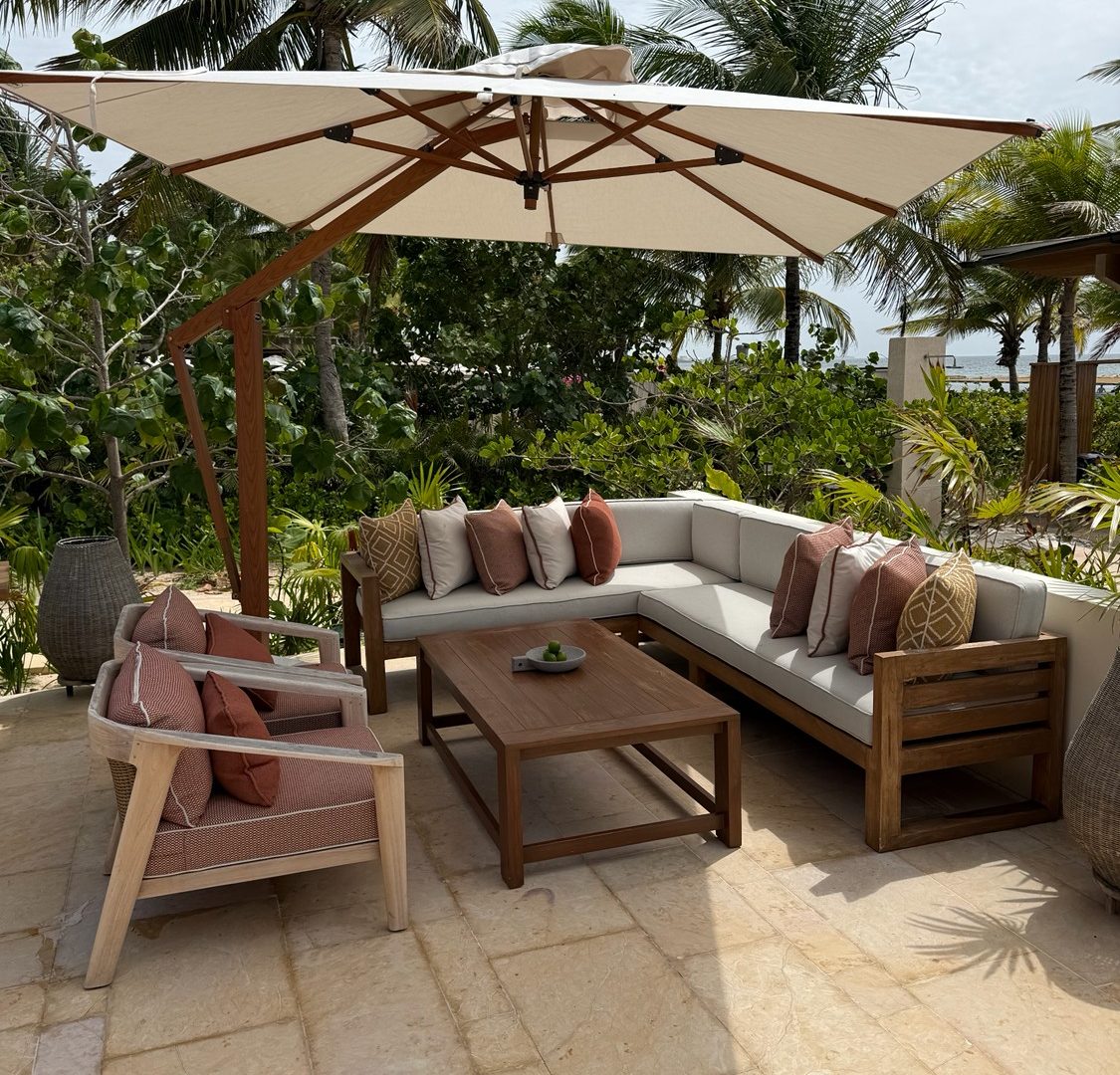
The position and dimensions of a parasol, along with its relationship to the surrounding furniture, determine where shade falls and how people use the space.
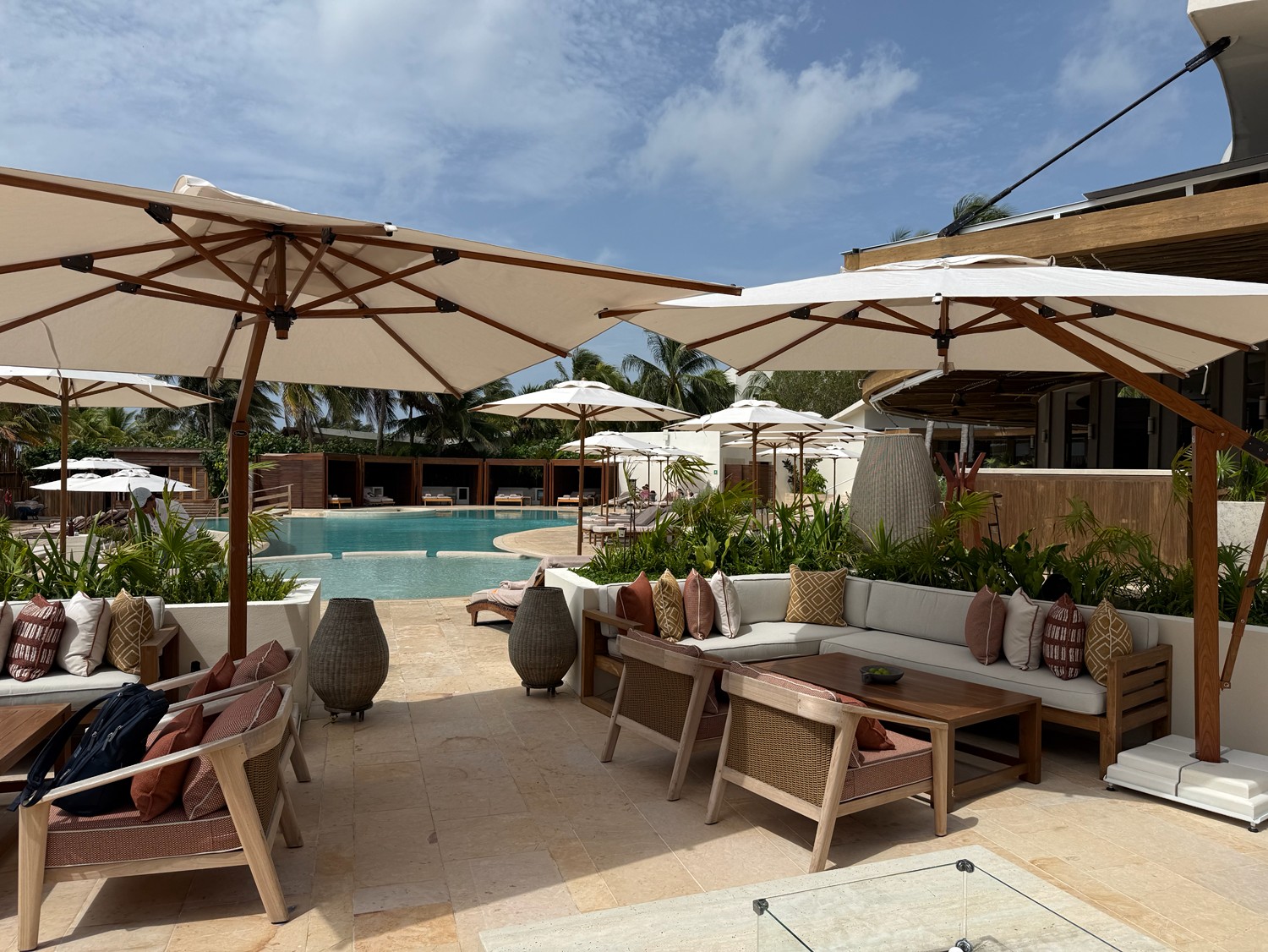
Shading and passive cooling: working with the climate
The idea of achieving comfort through the thoughtful management of the environment lies at the heart of passive cooling. In architecture, this refers to strategies that limit overheating and improve thermal comfort without relying exclusively on mechanical cooling systems.
External solar shading plays an important role by intercepting sunlight before it reaches a surface or enters through a window, helping to reduce heat gains within buildings. Its effectiveness depends on the climate, architectural configuration and shading system.
In outdoor spaces, the objective is different but complementary: to manage sun exposure according to the setting and the activities taking place there.
A garden parasol does not replace a building’s passive cooling strategies or guarantee energy savings on its own. It can, however, contribute to a more climate-responsive approach to outdoor design, with shade planned around the sun’s path, the layout of the space and how it is used throughout the day.
The aim is not to oppose sunlight, but to understand how to work with it. An effective design takes into account the sun’s path, the activities carried out outdoors and the need to create areas offering different conditions throughout the day.
Thoughtful outdoor design also involves considering functionality, material quality and the durability of solutions over time. These are all factors that contribute to the value of a well-designed product, beyond its immediate purpose.
This perspective also connects with the wider theme of sustainability in outdoor design, raising an important question: how can a parasol be sustainable?
These are two complementary perspectives, both rooted in a shared attention to design quality, while retaining their distinct focus: environmental comfort on the one hand, and the long-term responsibility of design choices on the other.
The garden parasol as part of outdoor space design
If shade influences comfort and the way we experience a space, choosing the right solution to create it becomes an integral part of outdoor design.
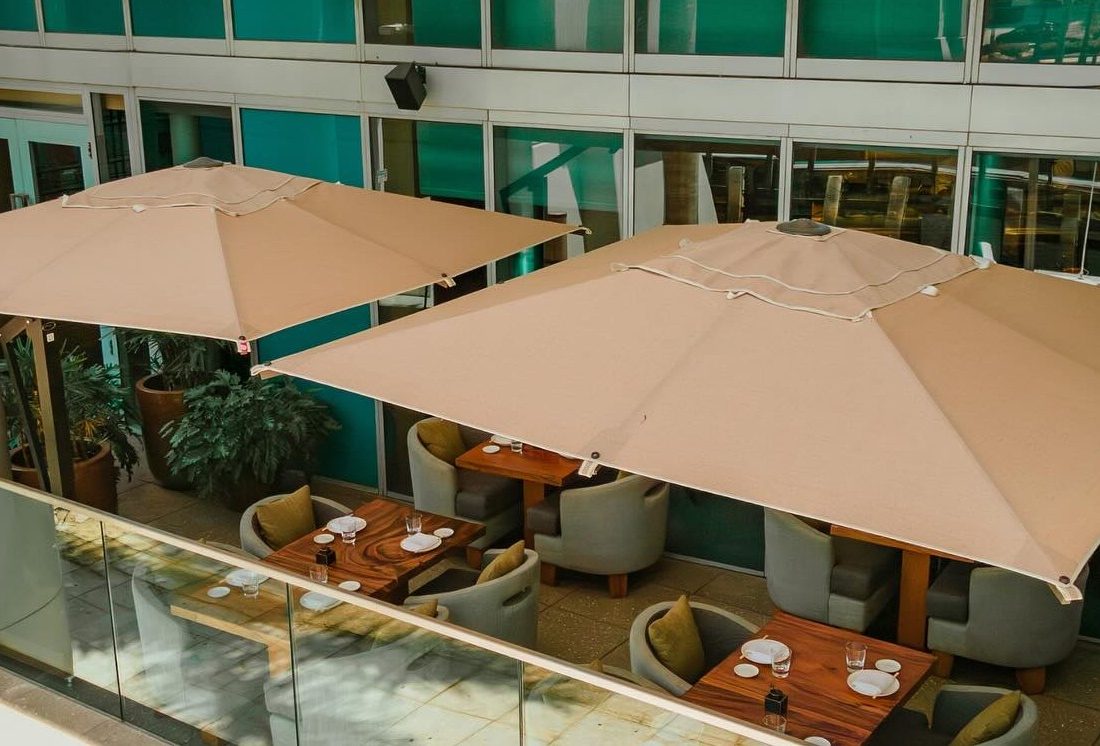
Centre pole parasols, cantilever parasols and telescopic systems each respond to different needs. On a residential terrace, for example, visual continuity and harmony with the architecture may be key considerations. In a restaurant or hospitality setting, the ability to provide covered areas without obstructing circulation routes can be equally important.
Poggesi parasols guide: which luxury outdoor umbrella is right for your space?
Visual details also contribute to the overall experience. The colour of the canopy fabric, for instance, interacts with light and helps shape the atmosphere of an outdoor setting. Different tones, contrasts and combinations with surrounding materials can influence how we perceive the space, turning a functional choice into an integral part of its aesthetic language.
This is explored further in The colour of shade: how fabric tones influence the mood of outdoor spaces, an article in the Poggesi Magazine that offers another perspective on the relationship between shading, light and design.
Designing shade for better outdoor living
Scientific research helps us understand what everyday experience already suggests. Shade can profoundly change the way we perceive an outdoor environment.
Translating this knowledge into design means observing the path of the sun, understanding the needs of those who will use the space and choosing solutions that complement the architecture and landscape.
For Poggesi, interpreting shade means exploring the relationship between design, innovation and the quality of outdoor living. It is an ongoing pursuit in which every detail helps define the character of a space, bringing function and beauty together.
Because when shade is thoughtfully designed, it takes nothing away from the beauty of the sun. On the contrary, it allows us to enjoy it for longer, turning a natural condition into an opportunity to experience outdoor living at its best.